
Awareness Over Counting: How Tracking Helped Me Understand My Body
I’ve never been a fan of tracking food. At least, not in the way I first learned about it through diet culture. The idea of weighing every bite and logging each calorie felt exhausting and took the joy out of eating.
But over time, I realized that awareness and tracking aren’t the same thing. When I talk about tracking now, I don’t mean obsessively counting macros or measuring out chicken breasts, I mean noticing, paying attention, tracking for self-awareness, not control. It’s about seeing patterns and connecting the dots between what I eat, how I feel, and the outcomes I experience.
I often tell clients, “you can’t change what you aren’t aware of.” That mindset shifted everything for me.
The Power of Awareness-Based Tracking
Every now and then, my energy just crashes. I’ll go from “Wow, I could go for hours,” to “I don’t really want to do this but can push through” and then suddenly hit a wall like, “I cannot muster another step.”
Through tracking, I discovered what was really happening: I tend to under eat and will use nut butter as my energy source.
I’ve learned anxiety shows up in my gut first. When it hits, it’s like being a scared goose running from a cyclist on the waterfront, everything in my body goes into evacuation mode. My appetite disappears, I miss hunger cues, and I start craving almond butter (my brain’s way of screaming for quick, dense calories). Through tracking what I was eating and how often I skipped lunch, I realized I wasn’t getting enough quality nutrition to sustain my brain or my workouts.
Another discovery: when I eat one of my favorite chocolate chip cookies after dinner, I sleep terribly. I wake up several times and run hot all night. That information has been a game changer because now I have a choice — eat the cookie and risk a restless night, or save it for lunch tomorrow. (Obviously, there are many other choices here, but that’s where my brain goes.)
These patterns became visible only through awareness, not weighing or measuring just a willingness to look for the patterns.
Shifting the Mindset
When we shift out of shame or avoidance and treat food tracking like a fact-finding, curiosity-seeking mission, everything changes.
Instead of judgment, we get clarity:
“When I skip lunch, I crash.”
“When I eat enough protein, my energy holds.”
“That late-night snack actually messes with my sleep.”
That kind of awareness gives you power and choice, not punishment.
When Tracking Isn’t Helpful
If you have a history of disordered eating, or if calorie and macro tracking feels triggering, there are still ways to cultivate awareness:
Track mood throughout the day
Note energy dips or spikes
Record digestion, sleep, or stress patterns
Watch for skin changes or cravings
These simple reflections build self-awareness, without numbers or apps.
The Takeaway
Tracking isn’t about control, it’s about curiosity.
When we shift from self-criticism to self-awareness, we gain valuable information, the kind that helps us make choices that truly support our energy, health, and overall well-being.

When Pain Becomes the Alarm That Won’t Shut Off
Your Body’s Alarm System, Explained (TL;DR)
Pain is your body’s built-in alarm system, sometimes helpful, sometimes overactive. In this post, we’ll explore how pain works, why your muscles and nerves can keep the alarm blaring, and how acupuncture and nutrition can help calm things down.
Quick Highlights:
Acute pain = a short-term alarm; chronic pain = the alarm that won’t turn off.
Muscle spindles (your stretch sensors) can protect you… or cause nagging pain.
Acupuncture acts like a “reset button” for an overactive pain system.
Nutrition helps put out the inflammation “fire” and supports healing.
Together, these tools build both relief and long-term resilience.
When Pain Becomes the Alarm That Won’t Shut Off
Pain: More Than Just “Something That Hurts”.
The official definition from the International Association for the Study of Pain is:
“An unpleasant sensory and emotional experience associated with, or resembling that associated with, actual or potential tissue damage.”
In other words, pain is both physical and emotional.
Acute pain is short-term, like a smoke alarm going off when there’s a fire.
Chronic pain is when the alarm keeps blaring even after the fire’s out.
Both have biological causes. And both are shaped by how your brain processes danger and safety.
How the Body Perceives Pain
The Acute Pain Pathway:
Injury occurs → Special nerve endings (nociceptors) in your skin, muscles, and joints detect damage.
Signals travel along nerves to your spinal cord.
Spinal cord relays those signals to the brain.
Brain interprets the signal as pain and decides: react (pull away, rest) or ignore.
The Chronic Pain Pathway:
Trigger → An injury, illness, or repeated strain starts the alarm.
Inflammation lingers → Healing chemistry sticks around longer than it should.
Peripheral sensitization → Local nerves become extra sensitive (lower threshold, louder signal).
Central sensitization → The spinal cord and brain turn the volume up on pain (amplification).
Modulation shift → The brain’s “brakes” on pain weaken, and the “gas pedal” strengthens.
Protective guarding → Muscles tighten; muscle spindles stay overactive → tension, trigger points.
Neuroimmune loop → Glial cells and immune signals keep the system on high alert.
Prediction & emotion → Stress, fear-avoidance, and past experiences prime the brain to expect pain.
Sleep & stress effects → Poor sleep and chronic stress lower pain tolerance and slow repair.
Pain persists → The alarm becomes the problem—pain continues even after tissues have healed.
The Role of Muscle Spindles
Muscle spindles are tiny stretch sensors inside your muscles.
They track how much and how fast a muscle stretches.
When they sense danger, like overstretching, they send a quick “contract!” signal to protect the muscle.
That’s great in an emergency.
But if they get overactive (after injury, stress, or dysfunctional movement patterns), they can cause chronic tension and pain.
Think of muscle spindles like seatbelt sensors; you want them to lock when needed, but not every time you shift in your seat.
Acupuncture: Calming the Alarm System
Acupuncture works on multiple levels of the pain pathway:
The Science
Endorphin release: Needling stimulates sensory nerves, triggering your body’s painkillers (NIH review).
Nervous system reset: It can help normalize overactive pain circuits in the spinal cord and brain.
Improved blood flow: Boosts circulation, helping tissues repair.
Inflammation control: Shifts immune signals toward a healing, less inflamed state.
To put it simply
Acupuncture is like a reset button for your pain system
It can quiet the overactive alarm.
It can relax tight muscles, especially when targeting motor points that help reset muscle spindle activity.
And it supports both physical and emotional aspects of pain.
Nutrition: Fueling Your Body’s Healing Systems
The Science
Anti-inflammatory foods can calm the chemical signals that keep pain going.
Micronutrients like vitamin D, magnesium, and B vitamins help nerves, muscles, and tissues recover.
Omega-3 fatty acids (from fish, flax, chia) help reduce inflammation.
To put it simply
What you eat can either fan the flames of pain or help put them out.
Eat more: Colorful vegetables, berries, leafy greens, salmon, nuts, olive oil, green tea.
Eat less: Processed snacks, sugary drinks, fried foods, trans fats.
Think of each meal as a chance to build a little more resilience.
Pain is complex.
Your nervous system, muscle sensors, emotions, and diet all shape how loudly the alarm rings.
Acupuncture can dial down pain sensitivity and muscle tension from the outside in.
Nutrition can reduce inflammation and support repair from the inside out.
Together, they offer both immediate relief and long-term resilience, helping the alarm system work when it should, and stay quiet when it shouldn’t.
Resources:
Raja, S. N., Carr, D. B., et al. (2020). The Revised IASP definition of pain: Concepts, challenges, and compromises. Pain, 161(9), 1976. PMID: 32694387
Chen, Z. S., & Wang, J. (2022). Pain, from perception to action: A computational perspective. IScience, 26(1), 105707. PMID: 36570771
Liu, L., Liu, X., Huang, Q., & Liu, G. (2024). The key role of muscle spindles in the pathogenesis of myofascial trigger points according to ramp-and-hold stretch and drug intervention in a rat model. Frontiers in Physiology, 15, 1353407.PMID: 38808356
Lin JG, Kotha P, Chen YH. Understandings of acupuncture application and mechanisms. Am J Transl Res. 2022 Mar 15;14(3):1469-1481. PMID: 35422904
Niruthisard, S., Ma, Q., & Napadow, V. (2024). Recent advances in acupuncture for pain relief. Pain Reports, 9(5), e1188. PMID: 39285954
Lin, G., Kotha, P., & Chen, H. (2022). Understandings of acupuncture application and mechanisms. American Journal of Translational Research, 14(3), 1469.PMID: 35422904
Ma, X., Chen, W., et al. (2022). Potential mechanisms of acupuncture for neuropathic pain based on somatosensory system. Frontiers in Neuroscience, 16, 940343. PMID: 36203799
Niruthisard, S., Ma, Q., & Napadow, V. (2024). Recent advances in acupuncture for pain relief. Pain Reports, 9(5), e1188. PMID: 39285954
Dragan, S., Șerban, C., et al.(2020). Dietary Patterns and Interventions to Alleviate Chronic Pain. Nutrients, 12(9), 2510. PMID: 32825189
Elma, Ö., Brain, K., & Dong, J. (2022). The Importance of Nutrition as a Lifestyle Factor in Chronic Pain Management: A Narrative Review. Journal of Clinical Medicine, 11(19), 5950. PMID: 36233817
Cuomo, A., & Parascandolo, I. (2024). Role of Nutrition in the Management of Patients with Chronic Musculoskeletal Pain. Journal of Pain Research, 17, 2223. PMID: 38947129

Adductor Strain: My Experience and Recovery Approach
Quick Highlights (TL;DR)
I strained my adductor (groin) playing basketball — a common sports injury.
First step: gentle acupuncture to reduce pain, improve circulation, and prevent inflammation from building up.
By midweek I was lifting at 80% with mindful movement and pain never above 3/10.
Nutrition focus: high protein (35–45g/meal, leucine-rich), omega-3s, antioxidants, zero processed foods/sugar.
Forget old-school R.I.C.E. — modern recovery uses PEACE & LOVE (protect, load, move, and keep mindset + circulation strong).
Acupuncture supports every phase:
Acute (0–5 days): pain + inflammation control.
Subacute (5–21 days): tissue repair + restoring movement.
Functional rehab (2–6 weeks): motor points + strength integration.
Bottom line: movement, nutrition, and acupuncture work together for faster, stronger recovery.
Adductor Strain: My Experience and Recovery Approach
The Moment It Happened
Monday night, I felt that all-too-familiar twinge in my left adductor (that’s your groin muscle, if you’re thinking wtf is an adductor) while playing basketball for the first time in years. UGH.
It wasn’t severe, so I did what many athletes do: ignored it and kept playing. Some habits never change. And honestly, movement does have its benefits, though it’s always a fine balance and learning to trust your instincts.
My First Steps in Recovery
The day after, I went on a slow walk and gave myself a gentle acupuncture session to keep circulation moving and prevent excess inflammation. I’m still amazed at how placing needles in my feet and lower leg, nowhere near the injured area, can accelerate healing.
By Wednesday, I was back in the gym, deadlifting at 80% of my max. I stayed mindful of my form and pain never exceeded a 3/10. The adductors were sore after, but not worse.
Nutrition as Medicine
To support recovery, I tightened up my nutrition:
Protein: 35–45g per meal, focusing on leucine-rich animal protein.
Omega-3s: To calm inflammation.
Antioxidants: Fruits and vegetables to limit tissue damage.
Avoiding inflammatory foods: Processed foods, sugar, and my usual “fun” inflammatory indulgences are off the table.
I typically follow a 90/10 approach to eating (allowing for the occasional cookie or two). But when I’m injured, I use nutrition more intentionally with short bursts of targeted eating to help my body bounce back faster.
R.I.C.E. vs. PEACE & LOVE
Remember the old R.I.C.E. protocol (Rest, Ice, Compression, Elevation)? If you’ve worked with me, you know I’m not a huge fan of leaning too hard on the “I.”
A newer, more holistic protocol is PEACE & LOVE:
PEACE
P = Protect: Limit painful activities to prevent further injury.
E = Elevate: Raise the limb to reduce swelling.
A = Avoid anti-inflammatories & ice: Research suggests these may slow tissue healing. Ice can help pain short-term, but doesn’t aid recovery.
C = Compression: Use bandaging to control swelling.
E = Educate: Learn about your injury and the importance of active recovery.
LOVE
L = Load: Gradual, pain-free loading speeds recovery.
O = Optimism: Recovery isn’t just physical, mindset and nervous system support matter.
V = Vascularisation: Light aerobic activity to improve blood flow to injured tissues.
E = Exercise: Restore mobility, strength, and proprioception.
How Acupuncture Supports Recovery
Acute Phase (0–5 days):
Reduces pain and inflammation.
Prevents compensatory tension.
Uses distal points and gentle local needling to promote circulation.
Subacute Phase (5–21 days):
Promotes tissue repair and restores range of motion.
Supports motor function with local points.
Uses distal points (because you’re a whole system, not just an injury).
May include moxibustion to boost circulation.
Functional Rehab Phase (2–6 weeks):
Motor-point acupuncture to balance imbalances.
Combined with strengthening and reintegration into movement and sport.
Injuries like groin strains can feel frustrating, but they don’t have to derail you. With the right combination of movement, nutrition, and acupuncture, recovery can be smoother, faster, and more complete.
👉 If you’re dealing with a recent injury — or an old one that never quite healed — I’d love to help you create a recovery plan that gets you back to moving pain-free.

Whole Body Pain, Lipopolysaccharides & Inflammation: A Root Cause Approach
An Integrative Look from Acupuncture & Nutrition
Do you ever feel like your whole body is inflamed? Like, everywhere? I’m talking joint pain, muscle soreness, fatigue, and brain fog.
You might wonder, “Is this normal?” No. It’s not normal and you're not alone.
Whole body pain, often brushed off as fibromyalgia, "just stress," or my fave ‘it’s in your head,’ can have deeper roots involving the gut, immune system, and chronic, low-grade inflammation.
One major, and often overlooked, culprit? Lipopolysaccharides, or LPS.
🧬 What Are Lipopolysaccharides (LPS)?
LPS, also known as endotoxins, are toxic components found on the outer membrane of certain gut bacteria. Under normal circumstances, they stay safely contained in the digestive tract.
But when your gut lining becomes compromised (intestinal permeability), LPS can leak into the bloodstream, triggering a powerful immune response. The body sees LPS as a serious threat and reacts with widespread inflammation.
🔥 From Gut to Pain: The Inflammation Cascade
Once in the bloodstream, LPS binds to immune receptors like TLR4 (Toll-like Receptor 4), which act like internal alarm bells. This sets off a cascade of inflammatory responses, including:
Cytokine release (e.g., TNF-α, IL-6), think of these messenger proteins as the immune system’s SOS signals
Oxidative stress, unstable molecules that damage tissues and cells
Neuroinflammation acting like a splinter in your brain and spinal cord
Muscle and joint pain
Mood imbalances
For many people, this shows up as vague but debilitating symptoms: joint aches, fatigue, anxiety, poor sleep, and whole body tenderness. If this sounds like you, it’s not “in your head”, it’s in your immune system.
🪡 How Acupuncture Can Help
From a Traditional Chinese Medicine (TCM) perspective, this is often seen as a pattern of systemic heat and dampness, rooted in Qi deficiency or Qi stagnation.
Acupuncture supports the body by:
Regulating immune system activity
Reducing systemic inflammation
Supporting gut health and digestion
Calming the nervous system
🥬 Nutrition for the Gut–Inflammation–Pain Cycle
From a nutritional therapy perspective, managing LPS and chronic inflammation starts with healing the gut lining, lowering inflammation, and supporting detoxification pathways.
What to Embrace:
Bone broth, glutamine, and zinc carnosine to support gut repair
Polyphenols (berries, green tea, turmeric) to reduce oxidative stress
Omega-3 fatty acids (fish, flax, chia) to modulate inflammation
Fiber to balance gut microbes
Identifying and removing food sensitivities to calm immune reactivity
What to Avoid:
Highly processed foods and refined sugars
Alcohol and NSAIDs (both can worsen gut permeability)
Industrial seed oils (corn, soy, canola), which promote inflammation
💡 Functional testing (like a comprehensive stool analysis or LPS antibody panel) can help uncover deeper insights into your gut and immune health.
If you're dealing with persistent, unexplained whole-body pain, it may be time to stop chasing symptoms and start addressing the root causes.
Through the lens of acupuncture and nutritional therapy, you can support your gut, balance your immune system, and begin to cool the fires of chronic inflammation.
As always, healing is a journey, and you don’t have to walk it alone.
Understanding the Difference Between Dry Needling and Acupuncture (Through an Acupuncturist’s Lens)
When it comes to this topic, I’m biased. I’m an acupuncturist. I’ve dedicated years of study and practice to understanding how this medicine works.
Last week, a relative in North Carolina called me, upset after what they believed was a terrible acupuncture experience. They’d gone to physical therapy for chronic neck pain and were offered dry needling.
The result? So much pain afterward that they called me to ask, “Is this normal after acupuncture?” (insert eye-roll emoji here)
Except… what they received wasn’t acupuncture! And that distinction matters a lot.
What’s the Difference: Dry Needling Compared to Acupuncture
There’s a misunderstanding that dry needling and acupuncture are the same thing. They’re not. While both use the same type of needles, that’s where the similarity largely ends.
Put simply:
Dry needling
Western pain relief technique
Only 20-80 hours of training required (for physical therapist and other orthopedic providers)
Generally focuses on one localized area
Typically targets trigger points or tight knots in muscles to release tension
Focused on muscular pain and injury recovery
Acupuncture
Rooted in Traditional Chinese Medicine
3-4 years of formal education and medical licensing required
Looks at the entire system, not just your meat suit
Uses muscle and meridian pathways, nerve connections, and fascia networks to treat both the source and symptoms of pain
Also helps with:
Anxiety, stress, and sleep
Digestive issues
Hormonal imbalances
Immune support and chronic fatigue
Acupuncturist’s Take a Whole-Body Approach
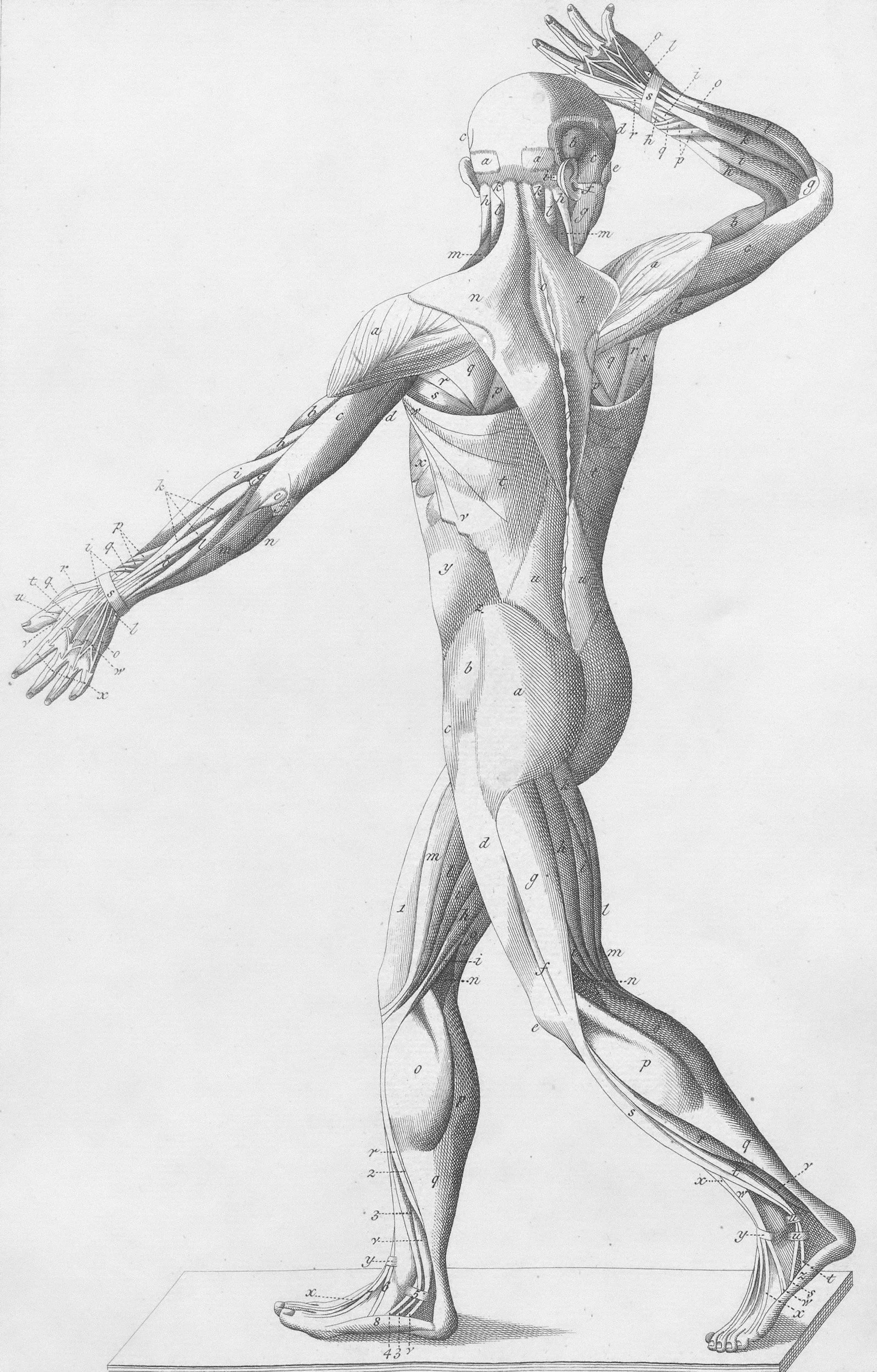
One of the things that makes acupuncture so powerful is its systemic approach. When I treat someone with neck pain, I’m not just needling the neck. I’m looking at posture, the spine, connected muscle groups, and even underlying factors like stress, digestion, and sleep.
If you come in with back pain, I might use points along the bladder meridian that trace up the calves and connect through the hamstrings and glutes. Why? Because these pathways are not just energetic, they’re anatomical. Ancient Chinese physicians likely understood how fascia and nerves worked, even thought they didn’t have modern technology.
Many acupuncture points correlate with anatomical landmarks, including fascia junctions, nerve bundles, and muscular trigger zones. This means when we needle a point, we’re not only helping to release muscle tension locally, but also promoting systemic balance.
Dry Needling in Physical Therapy: Helpful, But Limited
Let’s be clear: dry needling is effective. It's a form of acupuncture, whether PTs want to call it that or not. When done well, it can relieve pain, break up muscle tension, and promote healing.
But here’s the catch: most physical therapists are only treating the site of the pain. Shoulder hurts? They needle the shoulder. Neck? Just the neck. Low back pain on the right? They’ll hit trigger points on the right.
The human body doesn’t work in isolated parts.
So what happens next? You feel better (or worse) for a few days, until your neck goes out or your opposite hip flares up. Why? Because treating one isolated area without addressing the whole system can throw the rest of your body off balance.
Your Body is a System, Not a Collection of Parts
Your pelvic girdle, shoulder girdle, and spine are connected by fascia, ligaments, and muscle chains. If you release one area without supporting the others, tension shifts, often to the places that are already vulnerable.
This is where acupuncturists trained in sports medicine and orthopedics have an edge. We’re not just releasing a muscle; we're treating the patterns. We’re addressing the root cause, the compensation, and the systemic ripple effects. And if you're also stressed, constipated, or not sleeping well, we’re equipped to address that too.
Not All Practitioners Are Created Equal
To be fair:
Acupuncturist can dry needle and not all acupuncturists want to dry needle
Not all acupuncturists are adequately trained in sports medicine and orthopedic acupuncture
Not all PTs are under trained when it comes to needling
But if I had to choose? I’d rather be dry needled by an acupuncturist who deeply understands meridian theory, myofascial lines, anatomy, and how all of it connects to my nervous system, organs, and overall well-being.
Final Thoughts
Dry needling works. Acupuncture works. But they are not the same.
If you want lasting results from the needles and a treatment approach that sees you as a whole person (not just a shoulder or a tight hamstring), seek out a licensed acupuncturist trained in orthopedic and/or sports medicine acupuncture.
Your body deserves that level of care.
Why Dietary Fat Matters More Than You Think
Fat has long been controversial in the world of nutrition. Dieticians, researchers, and healthcare providers can’t decide if we should avoid it or maximize it!
The truth is, most of us need something in the middle.
What Fat Actually Does For Your Body
Fat isn’t just about calories. It’s about function. Here’s what dietary fats support (specifically monounsaturated and polyunsaturated fats:
❤️ Hormone production
🧠 Brain function and mood regulation
✨ Absorption of fat-soluble vitamins A, D, E, and K
🏃️ Recovery from exercise and injury
⚖️ Joint and connective tissue health
If you’re hitting your 40s and exercising regularly or working to find a consistent groove with exercise, your body needs high-quality fat.
Why? Because hormone fluctuations, aging joints, and increased activity mean your tissues are doing a lot of repair work behind the scenes.
How Excess Fat Harms Your Body
On the flip side, excess fat consumption, especially saturated fat creates a painful amount of dysfunction in the body, including:
Chronic and systemic inflammation, especially in the joints
Slower recovery time and increase muscle soreness after exercise
Digestive weakness (think loose, urgent stools and abdominal discomfort)
Creates a heavy and sluggish sensation in the body
This can make it harder to start an exercise routine or continue after you start because you’re likely to feel worse before you start feeling the benefits from exercise.
⚖️ The Caloric Reality of Fat
Fat is more energy-dense than protein or carbohydrates:
Fat = 9 calories per gram
Alcohol = 7 calories per gram
Protein = 4 calories per gram
Carbohydrates = 4 calories per gram
That means a little goes a long way, which is great for satisfaction and energy, but also easy to overdo if you’re not paying attention. It’s why tracking, even for a short time, can reveal patterns that affect your energy, digestion, and exercise recovery.
🔄 Not All Dietary Fat is Created Equal
Some fats help your body thrive. Others can promote inflammation and slow recovery.
Here's what to focus on:
Prioritize:
Avocados
Nuts and seeds (almonds, walnuts, chia, flax, etc.)
Fatty fish (salmon, sardines, mackerel)
Extra virgin olive oil
Limit:
Processed seed oils (soybean, corn, canola in excess)
Processed meats (sorry bacon lovers)
Deep-fried foods
Trans fats (mostly phased out but still present in some processed snacks)
📃 How to Know If You’re Getting Enough (or Too Much)
It’s not about strict rules. It’s about finding your just-right.
You may need more fat if:
Your meals don’t leave you full or satisfied
You feel tired all the time
You have dry, flaky skin or brittle hair/nails
You’re sore constantly or slow to recover
Your hormones feel off
You might need to dial it back if:
You feel heavy or sluggish
Your digestion is off (bloating, constipation, or loose stools)
You experience brain fog or midday drowsiness
Your mood feels low or more anxious than usual
This is where tracking or mindful journaling can be so powerful. You don’t need to micromanage. You just need information.
Fat is fuel. It’s healing. It’s foundational. If you’re moving your body, rebuilding tissue, or simply trying to stay active and resilient as you age, fat deserves a seat at the table, literally.
Start paying attention to the quality and quantity of the fats you're consuming. You might be surprised how much better you feel when fat becomes your ally, not your fear.
Need help figuring out what "just right" looks like for you? Reach out—I'd love to support your movement, nourishment, and recovery goals.
Sources:
Association of dietary fat intake with skeletal muscle mass and muscle strength in adults aged 20–59: NHANES 2011–2014. Front. Sec. Clinical Nutrition. Nutr. 2024. https://doi.org/10.3389/fnut.2023.1325821
When fat meets the gut—focus on intestinal lipid handling in metabolic health and disease. EMBO Mol Med. 2022. doi: 10.15252/emmm.202114742
Diet-Derived Fatty Acids, Brain Inflammation, and Mental Health. Front Neurosci. 2019. doi: 10.3389/fnins.2019.00265

Spring Has Sprung—And So Have the Allergies!
Spring has officially arrived! The flowers are blooming, the birds are chirping… and the pollen is out in full force. While spring showers help wash away some of that yellow dust, many of us are still struggling with congestion, itchy eyes, and nonstop sneezing. If you’re waking up with allergy symptoms, you’re not alone—I see it all the time in my clinic this time of year!
The good news? Acupuncture can provide significant relief, often immediately.
Acupuncture and Seasonal Allergies
If you’re already receiving acupuncture, you’ve likely experienced firsthand how effective it can be at reducing or even eliminating allergy symptoms. But if you haven’t tried it yet, let’s talk about why it works.
In East Asian medicine, your immune system is referred to as Wei Qi, or defensive Qi. Think of it as your body's energetic shield, protecting you from external invaders like viruses, bacteria, dust, and pollen. Wei Qi is closely connected to lung health, which makes sense when you consider how many allergy symptoms—like sneezing, congestion, and sinus pressure—affect our respiratory system.
When your Wei Qi is strong, your body can better defend itself against allergens. But when it's weakened, you’re more likely to experience heightened allergy symptoms. Acupuncture works by strengthening your Wei Qi, reducing inflammation, and restoring balance, which helps your body respond more efficiently to allergens—without overreacting.
What to Expect from Acupuncture for Allergies
Many people notice relief after just one session, while others may need a few treatments to experience lasting results. Acupuncture helps by:
Reducing nasal congestion and sinus pressure
Calming inflammation and overactive immune responses
Improving overall respiratory function
Strengthening your body’s natural defenses
The best part? Acupuncture is a natural, drug-free way to support your immune system and keep seasonal allergies at bay.
Take Control of Your Allergies This Spring
If seasonal allergies are making you miserable, don’t wait until symptoms are at their worst—start strengthening your immune system now. Acupuncture offers a safe, effective way to manage allergies, so you can enjoy all the beauty of spring without the sniffles.
Ready to breathe easier? Book an appointment and give your body the relief it deserves!
Consistency & Turkey Hash
We’re officially moved in! And when I say moving is exhausting—OMG, I forgot just how overwhelming it actually is. A few weeks ago, my therapist asked how I handle transitions, and I confidently said, “Totally fine.” Turns out, I do not handle transitions well. {There’s that acronym for “fine” - F*cked up, Insecure, Neurotic, and Emotional. Yep, that about sums it up.}
For someone who prides themselves on self-awareness, it’s wild how quickly a disrupted routine sends my anxiety through the roof. A disorganized space? Chaos.
I almost skipped sending out a recipe this week—because, let’s be real, with boxes and plants covering the kitchen counters, cooking is not happening. But then I realized one thing has stayed consistent: breakfast.
If you’ve worked with me, you know I’m big on breakfast. If you’ve known me for a while, you know my breakup with eggs was devastating. I’m not a sweet breakfast person—not because carbs are bad, but because I don’t like how my brain or body feel when I start my day on the blood sugar rollercoaster. Mornings are my prime time, and my breakfast routine keeps me firing on all cylinders.
Breakfast is also an easy way to pack in greens and protein. You know the saying, eat breakfast like a queen (because we don’t do kings around here). I fully embrace that. In Chinese medicine, your digestive fire burns hottest in the morning, making it the best time to absorb nutrients—so, in my mind, it’s optimization mode first thing.
During this move, my go-to has been my turkey hash—simple, protein-packed, loaded with leafy greens, and easy to prep in advance. Plus, we’re rolling into strawberry season and I love adding strawberries and cinnamon on toast!. While carbs aren’t the star of my breakfast, I love berries and toast.
For years, I paired my greens with eggs, but since breaking up with them, I’ve swapped in ground turkey. Sometimes I switch it up with a different ground meat blend so play with it and make it your own! And if you’re vegan, this pairs well with a tofu scramble or tempeh bacon!
The best part? If you meal prep it, it’s as quick as making a smoothie or oatmeal—but with way more staying power.
When it comes to nutrition, I tend to avoid two "R’s": rigidity and restriction. The truth is, those things usually get us nowhere in the long run. Nutrition is really about building small habits over time that support your lifestyle, your health goals, and your overall well-being. Life is constantly shifting, and so are your needs.
So, where are you showing up consistently right now? What habits do you already have that feel supportive? Maybe it’s your morning coffee ritual or your weekly Sunday brunch. And, if nothing comes to mind, what’s something you could try for a few weeks? The beauty of nutrition is that it’s all a big experiment, you get to be the scientist in your own life.

Turkey & Greens Breakfast Hash
A simple, protein-packed breakfast that’s easy to prep ahead and keeps you feeling full and energized.
Ingredients
For the Turkey Prep:
2 lbs ground turkey
1 tsp salt
1 tsp garlic powder
1 tsp black pepper
1 Tbsp Italian seasoning
1 Tbsp butter or olive oil
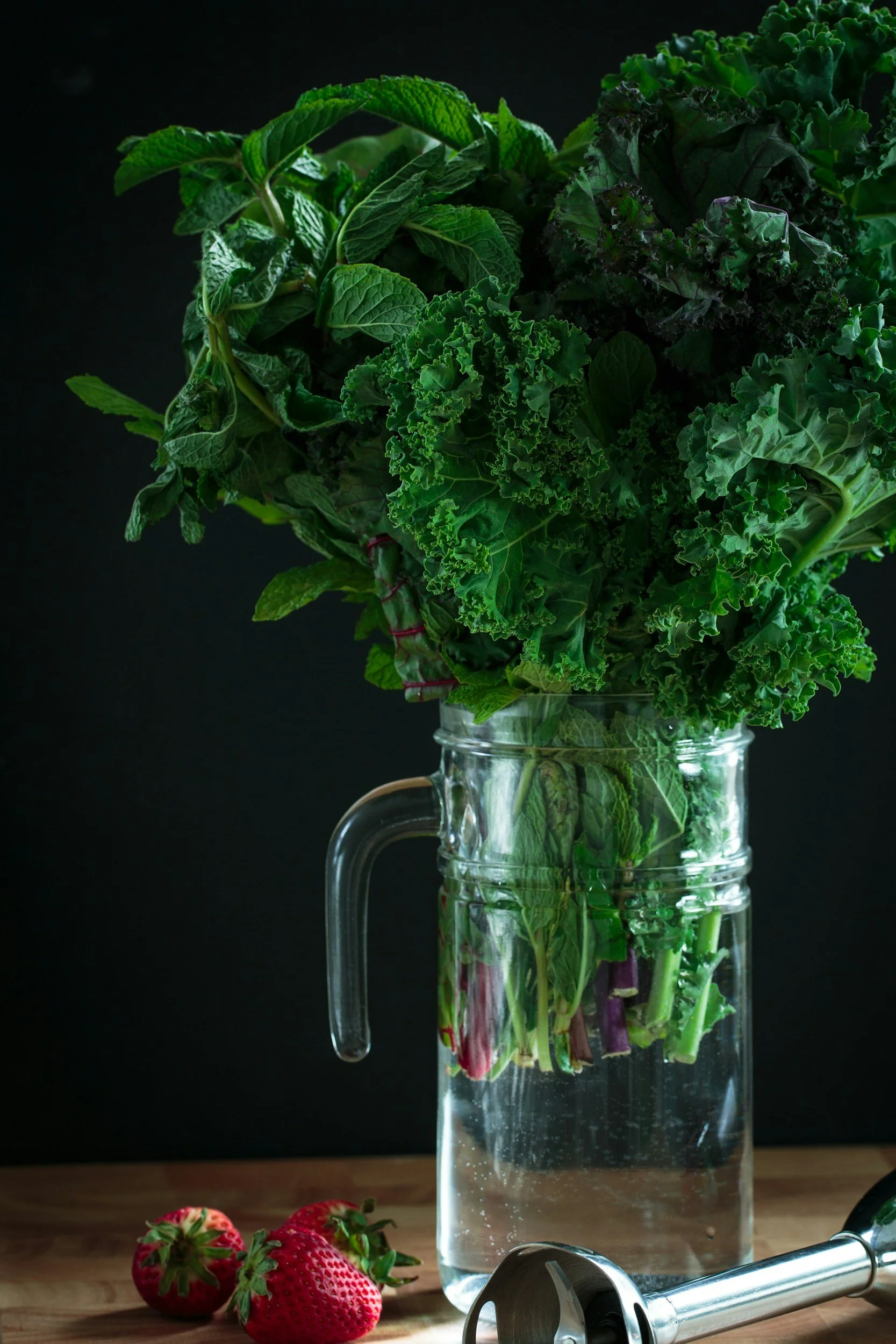
3 heads kale, washed and chopped
For Serving (per portion):
2 garlic cloves, minced
¼ cup water (add more as needed)
Pinch of salt
1 cup pre-cooked turkey
1–2 cups chopped kale
Optional Toppings:
Everything But the Bagel seasoning
Avocado slices
Instructions
1. Cook the Turkey:
In a small bowl, mix together salt, garlic powder, black pepper, and Italian seasoning.
Sprinkle the seasoning over the turkey while it's still in the packaging, then fold it in to evenly distribute.
Heat a large skillet over medium heat. Add butter or olive oil to lightly coat the pan.
Add the seasoned turkey to the pan, spreading it out evenly. Cover and cook for about 5 minutes, or until the top is no longer pink.
Meanwhile, wash and chop the kale. Store in a large bowl for easy morning prep.
Cut the turkey into quarters with a spatula and flip each section. Cover and cook until fully cooked through.
Use a spatula to break the turkey into crumbles.
Store in an airtight container in the fridge for up to 3 days.
2. When Ready to Serve:
Heat a skillet over medium heat.
Add minced garlic, water, and a pinch of salt to the pan. Sauté for 2 minutes.
Add pre-cooked turkey and chopped kale. Cook until the turkey is heated through and the kale turns a vibrant green, about 3 minutes.
Transfer to a plate and top with Everything But the Bagel seasoning and avocado, if using.
Enjoy your protein-packed breakfast!

Shame & Food: Why We Need to Change the Conversation
We’re moving this weekend, and I’ve been craving pumpkin pancakes—one of my go-to comfort foods.
When Selena and I first met, weekend breakfasts were our thing. We’d blast The Lumineers, whip up eggs, kale, mushrooms, lots of garlic, and pancakes. Later, when we went on coastal getaways with our pandemic pod, that breakfast became our tradition.
So now, with a big move ahead, my sentimentality is in full force—along with an uptick in craving pancakes. The two days we’re home together? You bet I’m making a batch.
At first, I hesitated to share this recipe because I got stuck in a story: Shouldn’t recipes be “nutritious,” “healthy,” and “protein-packed”?
Then I woke up from my own nonsense and came back to the truth—who says they aren’t?!
I see this all the time, in myself and in the folks I work with. We’re so incredibly hard on ourselves when it comes to food. And sure, balance matters, but we often overlook the psychological side of eating.
Food is more than fuel. It’s memory, comfort, connection.
Like M&M cookies. My Safta played a huge role in my life, and when I quit drinking 14 years ago, those cookies were a lifeline. I’d sit outside a grocery store with two M&M cookies, crying, feeling both ashamed (these aren’t good for me) and deeply comforted (these taste like safety, like childhood, like time with her). Even now, I can smell that bakery, feel the crinkle of the little pastry bag, and remember the joy of sharing a cookie with her.
Or popcorn and M&Ms (clearly my family was big on M&Ms). When I was a kid, we’d go to the movies, and my mom showed me the magic of dumping M&Ms into popcorn. Salty. Sweet. Bliss. For most of my menstruating life, part of PMS was craving popcorn and M&Ms.
We spend so much time shaming ourselves over food that we forget to ask: What else might be driving this craving?
Instead of falling down the shame spiral, what if we got curious?
Questions I Ask Myself:
How do I feel mentally and emotionally after I eat this?
How do I want to feel?
Am I riding the glucose roller-coaster? Does my energy spike and crash mentally/physically?
Does this food energize and sustain me or leave me irritable and exhausted?
How does my body feel? Joint or abdominal pain? Brain fog? Bloating? Reflux? Diarrhea?
Is this meeting an emotional need or triggering nostalgia (ahem, Saftas cookies)?
Is this a choice or is something else driving the bus? (Candida overgrowth? Nutrient deficiency? Feelings?)
What if there’s no right or wrong—just awareness and the choice to decide how you want to feel?
We can’t change what we aren’t aware of.
I love research. I love data. But the best research? Learning to tune into your own body.
As Brené Brown says: “Shame corrodes the very part of us that believes we are capable of change.”
So, let’s change the conversation. Let’s swap shame for curiosity. Let’s recognize that food is more than just nutrients—it’s part of our story, our emotions, and our lives. And maybe, just maybe, the more we accept this, the more freedom we find.

Fiber Bread
Ingredients
Dry Ingredients
1/3 cup hazelnut flour (can sub almond flour)
1/2 cup sunflower seeds
1 cup psyllium husk powder
1/2 cup hemp seeds
1/3 cup chia seeds
1/3 cup flax meal
2 tsp sesame seeds
1 1/2 tsp salt
1 tsp garlic powder
1 tsp Italian herbs
Wet Ingredients
1/2 cup extra virgin olive oil
1 1/4 cup boiling water
Instructions
Preheat oven to 400 degrees F
Line loaf pan with parchment paper
In medium size bowl, combine dry ingredients
Add olive oil and water to bowl
Mix until well combined and dough forms
Add to loaf pan, pat down
Bake 60 minutes, cool completely before storing.
Store in airtight container in refrigerator or slice and freeze
Recipe adapted from the creators of Florasophy. You can find the original link here
Constipation and the Nervous System
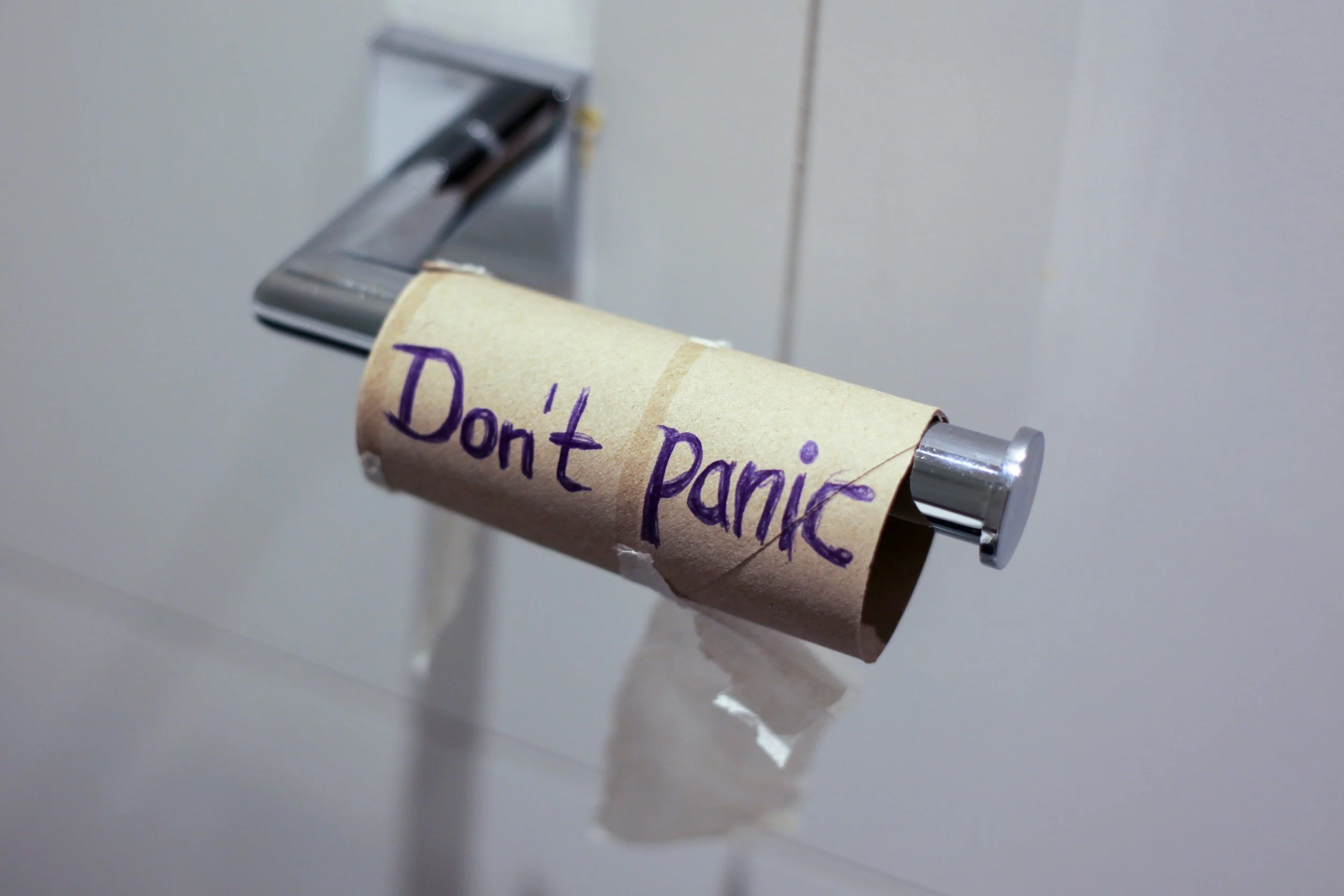
How’s your pooping? Let’s Talk Constipation
The Rome III Criteria for constipation is defined as fewer than three bowel movements per week (insert jaw on floor, wide-eye emoji). Less than three times a week?! I’m sorry, whut? While everyone's body has its own rhythm, regular poops are an important sign of a happy gut. As a holistic healthcare provider, I love helping people find their version of normal—and for many, that means daily pooping!
Why are Daily Poops Important
Pooping is one of the body’s primo detox methods, literally clearing out old waste—proteins, carbs, fats, cholesterol, estrogens, dead cells, and other substances. It’s about releasing and making space for the new. You can take that as literally or as esoterically as you want. Both apply.
We know about fiber, magnesium, and staying hydrated but what if you’re doing all the fiber, hydration, and magnesium and your stools still aren’t moving? An often overlooked piece of the constipation puzzle is the nervous system.
The Nervous System and Constipation
Your nervous system plays a big role in gut health and gut pathologies, including motility. Your GI tract has its very own nervous system called the enteric nervous system, which plays a huge role in gut motility and other important digestive functions.
Here’s how it works:
The enteric nervous system (your gut’s own neural network) independently regulates motility by coordinating peristalsis - the wave-like muscle contractions that move food and waste through your digestive tract.
The sympathetic nervous system (fight-or-flight) can slow gut motility.
The parasympathetic nervous system (rest-and-digest) can either stimulate or slow motility, depending on various factors.
If your bowels feel sluggish or you’re stuck in a cycle of constipation or loose stools, ask yourself:
How’s my stress level?
How’s my anxiety?
What beliefs do I hold about pooping?
Do I have past stress or trauma around bowel movements?
Am I giving myself a relaxed moment in the morning, or is my routine pure chaos?
I’m not saying your nervous system is the only reason for slow motility, but I am saying it’s an often-overlooked factor.
My Morning Poop Routine (Think of it like sleep hygiene but for bowel movements)
As a daily morning pooper (thank you, Grandma Dolly, for the lifelong encouragement), I know firsthand how stress affects my ability to go. If I feel rushed, my morning poop just... doesn’t happen.
If the urge doesn’t strike, I make time for it. Here’s my go-to ritual:
Pour a cup of hot water.
Sit on the couch and take deep inhales through my nose and slow exhales out my mouth.
Think about pooping. (Yes, really.)
Drink warm water until the urge arrives.
I’ll admit, I hate pooping in public, so my need to go before leaving the house is mission-critical.
Acupuncture’s Role in Gut Motility
Acupuncture has been used for decades to treat GI issues, but the exact mechanism isn’t fully understood (by research, at least). However, studies suggest acupuncture can help regulate gut motility through its effects on the nervous system.
The most agreed upon method for how acupuncture works to improve gut motility is thought to be due to something called the somato-autonomic reflex—a fancy way of saying that stimulating your skin and muscles can influence the involuntary processes of your body, including digestion.
If your digestion needs support, acupuncture might just be the missing piece.
Hydration, Electrolytes, and Fiber: The Other Essential Tools
Hydration & Electrolytes: The Underrated Duo
Drinking tons of water but still not pooping? You might be missing electrolytes. Without them, water doesn’t absorb properly into your cells, meaning your bowels don’t get the hydration they need. If constipation is an issue, try adding a high-sodium electrolyte like SALTT, which also contains magnesium (bonus points!).
Fiber: Are You Getting Enough?
Most of us only get about 15g per day, that’s not nearly enough!
The American Heart Association recommends 25–30g per day.
But honestly? 40g per day is a better goal for optimal gut health.
Need help hitting that number? Check out my previous blog post all about fiber (link here) or try making fiber bread (recipe here)
The Bottom Line
Constipation isn’t just about fiber or hydration—it’s also about your nervous system. Stress and a dysregulated nervous system can slow digestion, making it harder for your body to do its thing.
Don’t beat yourself up over sluggish motility! Our bodies respond to life’s ebbs and flows, and sometimes, we just need a little extra support. Acupuncture is a powerful tool to help regulate gut motility and bring your digestive system back into balance.
If you're feeling stuck (literally), come try acupuncture! It’s a natural, time-tested way to support your digestion and get things moving again. And remember—pooping daily is the goal.
Cheers to happy, healthy BMs! 🚽💩
Resources:
Mawer S, Alhawaj AF. Physiology, Defecation. 2023. link
Lichtenstein A. Intestinal Cholesterol Metabolism. 1989. link
Kwa M, Plottel C, Blaser M, Adams S. The Intestinal Microbiome and Estrogen Receptor-Positive Female Breast Cancer. 2016. link
Sharkey K, Mawe G. The Enteric Nervous System. 2022. link
Wood JD. Enteric Nervous System: Neuropathic Gastrointestinal Motility. 2016. link
Li H, et al. Acupuncture and regulation of gastrointstinal function. 2015. link
Yu Z. Neuromechanism of acupuncture regulating gastrointestinal motility. 2020. link
Bellono N, et al. Enterochromaffin Cells Are Gut Chemosensors that Couple to Sensory Neural Pathways. 2017. link
Precker M. Sound the fiber alarm! Most of us need more of it in our diet. 2022. link
Medical Disclaimer: The information provided on this blog is for general informational purposes only and is not intended as a substitute for professional medical advice, diagnosis, or treatment. While we strive to provide accurate and up-to-date content, we make no guarantees regarding its completeness or reliability. Always seek the advice of a qualified healthcare professional with any questions you may have regarding a medical condition. Never disregard professional medical advice or delay seeking treatment because of something you have read on this blog. Use of this site and reliance on any information provided is solely at your own risk.

Could it be Low Iron?
Iron deficiency is one of the most common and overlooked nutrient deficiencies in the world.
I’ve had some level of iron deficiency since I was 15 years old, my ferritin levels (ferritin = your bodies iron storage and is the key marker for anemia. Throughout this article and to avoid getting in the weeds of an iron panel, I will only speak of ferritin for the purposes of this blog) have never been above 32.
Last week, my ferritin was back down to a 14. My gynecologist said ‘it’s a little low but everything is normal’.
NORMAL?!

This is happening to so many of us! Every menstruating person in the world needs to hear this: If your ferritin is below 50, *IT IS NOT OPTIMAL*!
Here’s the deal, standard medical labs are a reference range, not an optimal range and they are based on the *entire* population. So, the ‘normal’ range for ferritin can be anywhere from 11 to 300 depending on the lab company. When it comes to ferritin, you want the Goldilocks approach, not too high, not too low, rather finding your ‘just right’.
7 of the most common symptoms of low iron:
Fatigue and weakness
Pale skin and nail changes
Shortness of breath
Headaches and dizziness
Cold hands and feet
Restless legs syndrome
Weakened immune function
Recognizing the symptoms, early detection, and intervention are crucial for all people, especially for people menstruating. Raising your ferritin levels can improve energy levels, overall health and quality of life.
It’s time to feel empowered when it comes to your health!
Just because the allopathic doctor tells you things are normal, does not mean things are optimal for your bodies needs.
There’s a lot you can do through nutrition, improving gut health by improving absorption, and reducing duration and heaviness of menstrual flow to support iron absorption and improve ferritin levels.
If you’re curious about where nutrient deficiencies could be showing up in your labs or want to optimize your nutrition for your bodies needs, I would love to support you!
This is not intended to be medical advice. While I am an acupuncturist and nutritionist, I’m not your acupuncturist and nutritionist!

Unveiling the Healing Power of Moxibustion: A Time-Tested Therapy
“Never go on a trip with someone who does not burn moxa on ST 36
(ST 36 is an acupuncture point on the stomach meridian)”
Moxibustion, often called ‘moxa’, involves the burning of dried mugwort, a medicinal herb, on or around specific acupuncture points on the body.
The heat generated during moxibustion is believed to stimulate the flow of vital energy, known as Qi, throughout the body.
Moxibustion nourishes, warms, strengthens, and activates while also having the ability to dissolve pain, dispel dampness and support detoxification.
A *brief* history of moxibustion
(the parts I find interesting)
Moxa was used as early as the 2nd century! Two medical texts were discovered describing moxa therapy from the excavation of the Ma Wang Dui tombs in 1973. The writing was believed to be from the Qin Dynasty (255-206 bc).
Used by Shamans in pre-Han dynasty China for exorcistic practices to expell disease-causing ‘demons’.
In the classical texts, moxibustion and acupuncture were discussed and developed together.
Moxa was considered a folk remedy in Japan utilized by the lay person because of it’s ease of use.
The American army tried to prohibit the practice of acupuncture and moxibustion after the Second World War (eye roll).
What is Moxa Good For?
Pain Relief
Moxa is renowned for its effectiveness in alleviating various types of pain. Whether it’s chronic conditions like arthritis or muscular discomfort, the heat generated by moxibustion is thought to enhance blood circulation, reduce inflammation, and promote pain relief.
Digestive Health
Moxa is crucial for digestive issues such as indigestion, bloating, irritable bowel syndrome, Chron’s disease, and diarrhea. Moxa aims to restore balance and harmony within the GI tract by targeting specific acupuncture points related to digestion.
Menstrual Health
Moxa is frequently used to address menstrual health, including menstrual irregularities, fertility issues, and menstrual cramps. The therapy is believed to regulate hormonal imbalances and improve reproductive health by enhancing blood flow to the reproductive organs.
Immune Support
Moxa can strengthen the immune system by contributing to overall wellness and helping the body defend itself against illnesses.
Longevity Medicine
Dr. Shimetara Hara (1883-1991, died at 108) and Manpei a farmer who lived from 1596-1868 (if that’s true, that’s 300 years old) said their secret to longevity was applying moxa to ST 36 (an acupuncture point just below the knee) every day. Dr. Hara stated ‘moxibustion therapy is effective for *all* disease. Burn moxa at ST 36 daily and you will never need to see a doctor.’
Moxibustion is shown to prevent disease and maintain good function of our organs.
References
While I have included research below, a lot of research tends to be small-scale studies, placebo is hard with moxibustion, and there’s often a high risk of bias. While the research continues to grow, the above is based on my clinical experience, the clinical experience of colleagues and mentors, as well as personal experience utilizing moxibustion for my health.
Pain:
Digestion:
Menses:
Primary dysmenorrhea:
PCOS:
PCOS and Fertility:
Endometriosis:
https://www.sciencedirect.com/science/article/pii/S2213422023000823
Immune and systemic Inflammation:
Covid-19:
Inflammation:
Longevity:
https://www.sciencedirect.com/science/article/pii/S0753332221009318
Ginger Goodness
Cold, flu, and Covid season are upon us. If you aren’t sick or healing from being sick, you probably know someone who is!
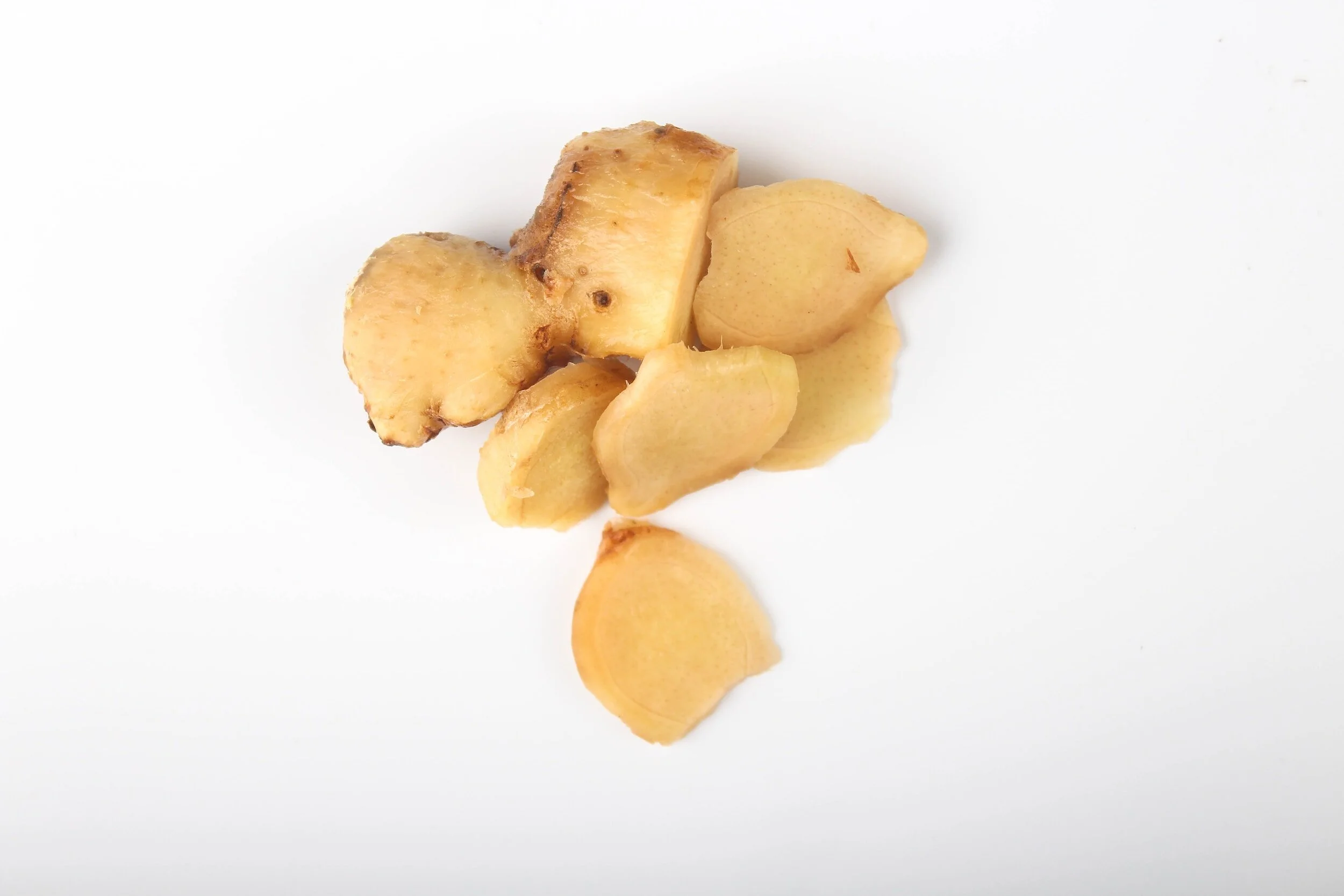
During this round of having Covid, I leaned heavily on ginger and feel inspired to share my under-the-weather ginger soothers for the cold and flu season.
This humble root has been cherished for centuries, not only for its incredible flavor but also for its numerous health-boosting properties. Let’s dive into the world of ginger and discover how ginger can enhance your well-being.
Nutritional Benefits of Ginger:
Digestive Dynamo: Ginger is renowned for its digestive benefits. It stimulates the production of digestive enzymes, helping to break down food more efficiently. If you’re experiencing indigestion, an upset stomach, or loss of appetite, ginger tea may provide some relief!
Anti-inflammatory Powerhouse: Ginger contains bioactive compounds like gingerol, which have potent pain relieving properties! Especially pain relieving for joint pain, migraines, and menstrual cramps.
Immune System Support: The antioxidants in ginger help strengthen the immune system, making your body stronger to fight infections! It’s a great addition to your diet, especially during cold and flu season.
Utilized in Chinese herbal medicine to warm the lungs, relieve coughing, and help transform phlegm.
With ginger, your future self thanks you: utilizing the warming effects of ginger in the fall will nourish your immune system and lungs to help reduce seasonal allergies next spring.
Ginger Toddy Recipe
1.5 cups water (adjust based on your mug or jar size)
3-6 slices of fresh/frozen ginger (washed, unpeeled)
¼ tsp honey (I actually just dip a fork into the jar and let most drain off, add to the jar)
I like to use local, raw honey!
½ lemon, adjust to taste
Cayenne, to taste (optional)
Instructions:
Bring water to a boil
Add ginger to boiling water
Reduce heat and simmer for 10-15 minutes
Strain the tea into a cup
Add honey, lemon juice, and cayenne pepper if using
Enjoy the soothing and healing benefits of this tea!
*Instead of making a fresh batch every time, use the same ginger throughout the day and add the other ingredients to taste each time.
**Ginger will only last for a few weeks in the fridge. Slice it into quarter-sized pieces and store it in the freezer for up to six months.
Roasted Chicken + Chicken Stock
I’m not a fan of recipe blogs that go on and on with text, while popups run in the background, pinwheeling my computer. That’s not what we’re doing here!
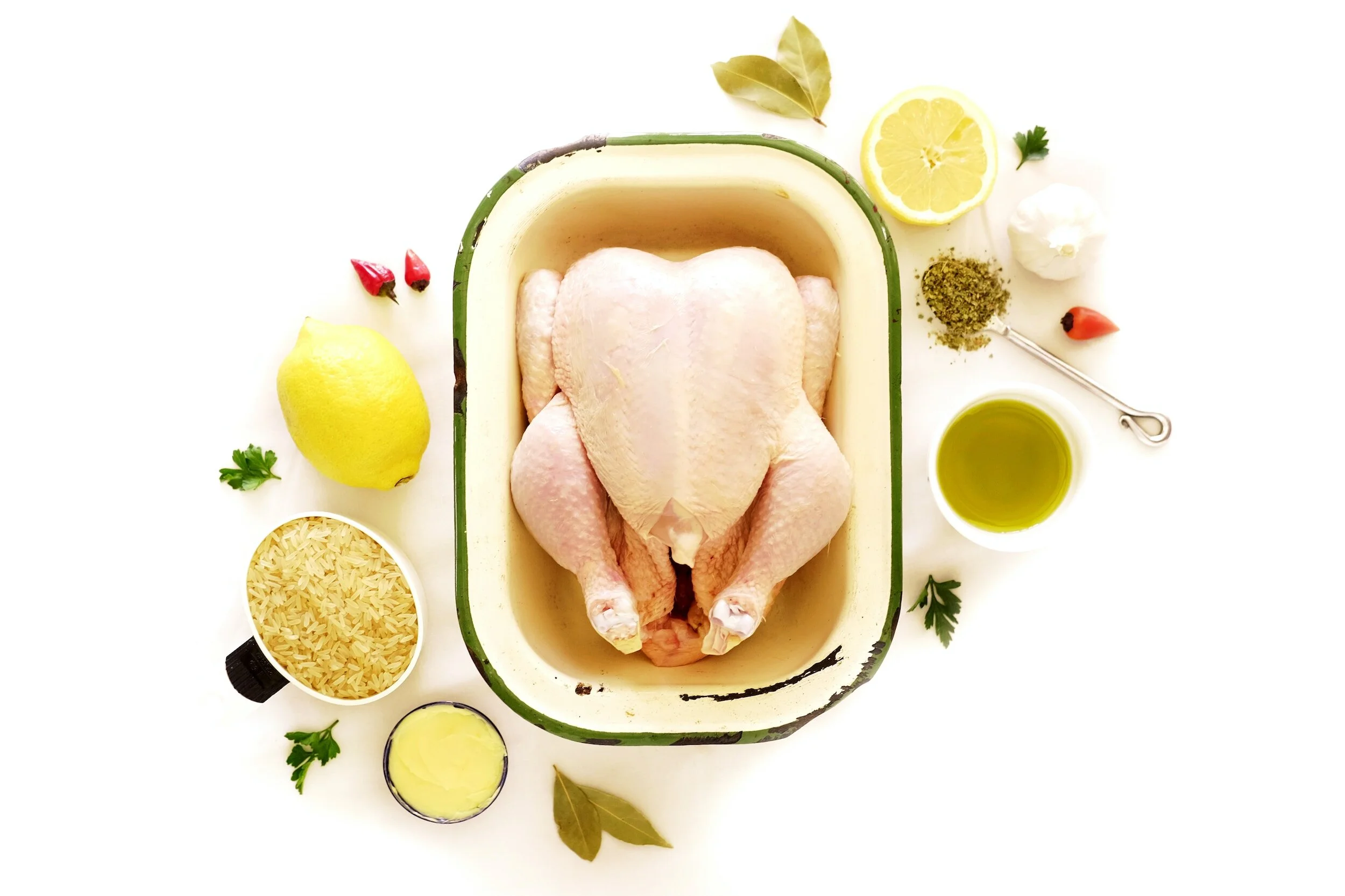
Below I give you my super simple (and minimal flavor) method for prepping both chicken meat and chicken.
Learning how to utilize the whole chicken is environmentally conscious, money saving, and nutritious!
This first recipe is relatively easy and requires minimal effort. I do this when I am feeling tired, under the weather, or simply don’t want to cook. By cooking the chicken with minimal herbs and spices, you can season later based on whatever flavors pair well with your meal that night. This provides variety through the week and helps prevent boredom.
Freeze the stock in one-cup soup tray and ice-cube size containers.
Use the one-cup containers when making soups, stews, or recipes that call for cups of bone broth.
Use the ice-cube size when cooking greens or reheating your chicken to add flavor and nutrition without adding extra oil.
Here are examples of trays I use:
Super Simple Oven-Baked Chicken
Ingredients
Whole Chicken (When you can, but from a local, environmentally conscious farmer. It’s just better), neck and bits removed.
2 or more cups of broth (Water also works)
Instructions
Preheat over to 430 degrees.
Discard neck and any bits from inside the cavity.
Place chicken into baking dish* breast side up.
Roast for 75-80 minutes, basting halfway through. Make sure juices run clear before removing from oven.
Once the chicken is cooked through, remove from oven and allow to stand for 10 minutes.
Serve and store with pan juices if using bone broth.
*Baking Dish that is large enough to hold your bird plus the broth/water
**I usually sit on the floor with a towel down and pull the leftover chicken off the bone because I find it more enjoyable. Keep it easy on yourself so it’s sustainable!
Once you’ve pulled the meat off, toss the leftover carcass into your Instapot!
Easy Homemade Chicken Stock
Ingredients
Chicken carcass from roasted chicken
1 tablespoon apple cider vinegar
8 cups cold water
Veggie scraps: Kale stalks, carrot skins, wilted celery, onion skins, garlic (optional)
Herbs you have on hand, here are a few options:
1-2 sprigs fresh thyme and rosemary
5-6 ginger slices
1 teaspoon peppercorns
2-3 bay leaves
Instructions
Place everything you are using directly into the Instapot
Pour the water over it. You can add more water if desired. *Do Not* fill past the two-thirds line!
Place lid on the Instapot, making sure the vent knob is sealed.
Cook on high pressure for 120 minutes.
Let naturally release for at least 30 minutes.
Let stock cool completely before storing.
Store in fridge for 7 days or freeze up to 3 months.

Fiber: Nature's Gift and Your Secret Weapon for Overall Health.
Fiber, an often overlooked, crucial contributor to a whole foods diet. Fiber reaches far beyond bowel movements and is critical for our overall health.
In our fast-paced lives, it’s easy to forget the path to well-being often lies in simplicity. Fiber is an underestimated nutrient, holding an array of benefits that can positively impact your physical and mental health and here’s why:
Fiber is a complex carbohydrate.
Instead of one or two molecules easily broken apart and absorbed quickly (ie: sugar), fiber can’t be fully broken down by your body. It travels through your GI tract until it reaches your colon. This is where it does its magic: blood sugar stabilizing, mood enhancing, inflammation-reducing, cardiovascular improving, poop-ease kind of magic and here’s how:
Fiber is crucial for stable blood sugar.
The hangries, after-meal crashing, waking with a racing heart, craving refined carbs - that’s often blood sugar dysregulation! Fiber slows it all waaay down which also means fewer sweet cravings and mood swings. When blood sugar is steady, emotions are more balanced, and the rollercoaster of hormonal fluctuations becomes smoother.
Fiber Supports Metabolism
Feelings of hunger and satiation are actually hormone signals between your gut and brain. When your metabolism is not stable, your neuroendocrine (brain-hormone) signaling scrambles.
This signaling is crucial and as you learn to listen to your body's cues, you’ll depend less on willpower because the system is firing on all cylinders. Fiber-rich foods provide a feeling of fullness, allowing your “I’m full” hormone to do its job.
Fiber Clears the Path and Supports Cardiovascular Health
Cardiovascular disease is the number one killer worldwide. It’s estimated that Americans consume *half* the recommended daily amount of fiber. Fiber helps you clear excess cholesterol allowing for less buildup in your arteries and heart. If you menstruate, or once did, fiber is incredibly important for you because it also clears excess estrogens. Anything extra in the body is flagged as toxic and fiber helps your colon and microbes clear it out!
Fiber Feeds Your Microbiome
Researchers estimate around 100 trillion microbes have co-evolved with our ancestors over the years! That means inside your gut, there’s a huge family of fellow travelers feeding off of whatever you’re eating (and sometimes they are driving what you’re craving). Fiber helps maintain and restore balance by feeding more of the ‘crobes that nourish you and keeping the ones that don't, in check. They not only help your colon stay balanced, but they also support your immune system and nourish your brain for both cognitive power and mental health. There’s a growing body of research showing that fiber can reduce symptoms of depression and anxiety.
Fiber really brings home that phrase ‘you are what you eat’ or better yet, ‘you are who you feed’.
Fiber in your daily routine
Aim to consume 40g per day. 20g soluble, 20g insoluble
Consume beans, lentils, and legumes!
They are easy to incorporate into soups, salads, bowls, add them to greens or just have them as a side dish with some garlic, onions and other spices.
Swap refined grains for whole grains.
Add seeds to everything!
Chia, flax, pumpkin, sunflower, sesame, and hemp seeds are staples in our house.
Stay hydrated and utilize electrolytes! Fiber absorbs water, you’ll need to drink plenty of it to let fiber do its job.
Supplement.
Splurge for the organic whole food supplement and look for a product with more soluble fiber.
By embracing fiber as a fundamental part of your nutrition plan, you’re taking a significant step towards hormonal balance and holistic wellness.
Remember, this journey is about balance, fiber is just one piece of the puzzle. Combined with other healthy, supportive habits, it will help you re-calibrate your relationship with a nourishing lifestyle and unlock the health and wellness you seek!